How renewal actually works
At intervals, the agency that holds your case checks whether you still qualify. Sometimes it can confirm this from data it already has, in which case a notice arrives telling you the coverage continues and you do nothing. Sometimes it cannot, and then a form arrives that has to be completed and returned by a date printed on it.
Which agency depends on your category. People under 65 whose eligibility runs on income renew through NY State of Health. People 65 and older, people covered on the basis of disability, and people receiving long-term care renew through the local district, which in New York City is the Human Resources Administration. Which system holds your case.
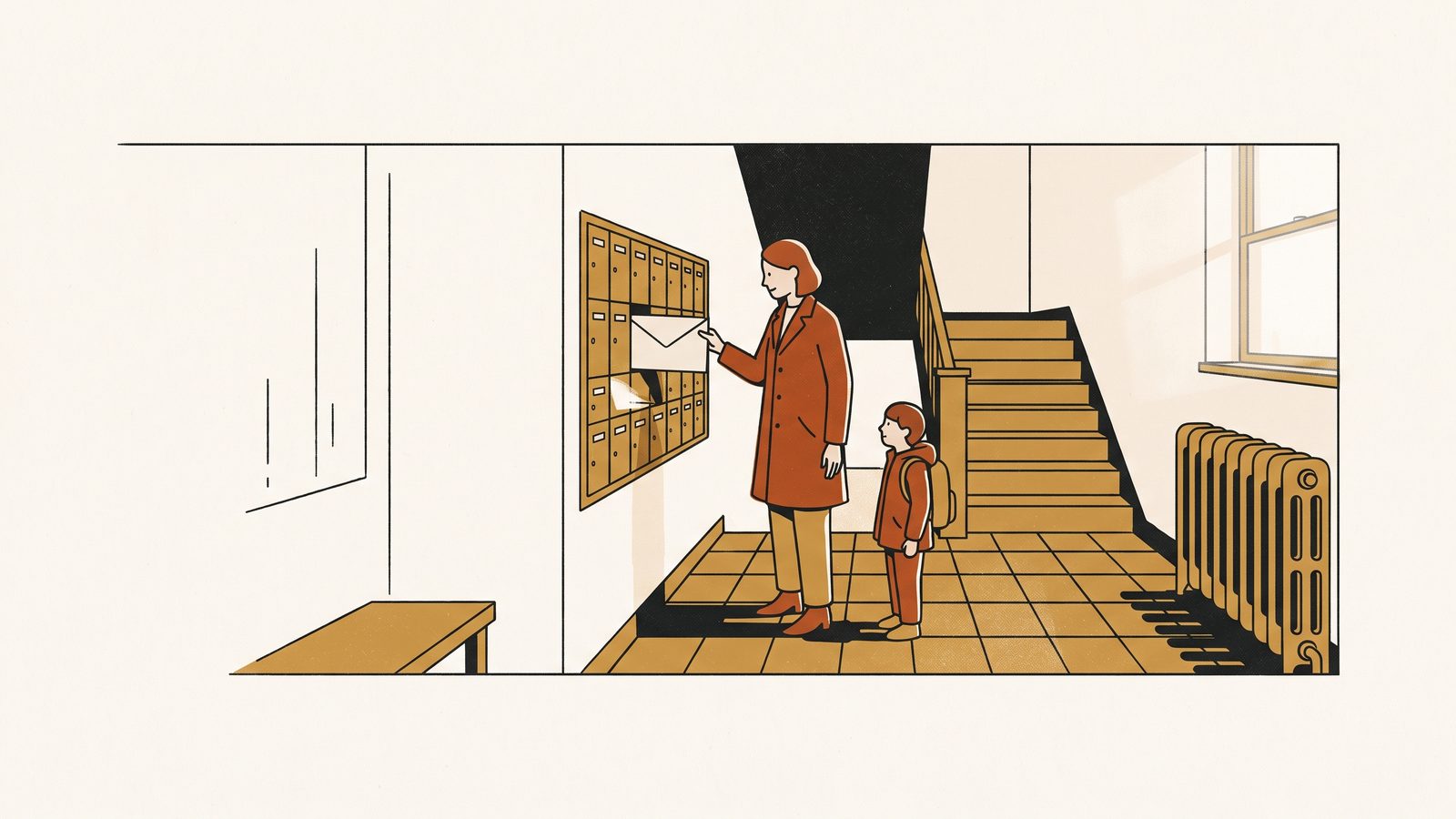
The whole process depends on one assumption: that mail reaches you.
Why it fails
Not income. Income changes are the reason people are moved between programs; they are rarely the reason coverage simply stops.
What actually breaks it:
A move. The notice goes to the last address on file. In a city with frequent moves, shared apartments and mailboxes that do not always match the names on them, this is the dominant failure.
Mail that looks like junk. A renewal notice is a plain government envelope among a dozen others.
A form returned without a document. Incomplete is treated as not returned, and the clock does not stop.
A household member’s paperwork. One person’s missing document can hold up a case covering several people.
Language. Notices arrive in English by default. You can request them in another language, and almost nobody knows to ask.
What to do when the notice arrives
Open it the day it comes. The deadline is printed on it and it is shorter than it feels.
Read what is actually being asked. Many renewals confirm rather than request. If nothing is required, the notice says so.
If a form is required, return it complete. Missing documents are the second most common failure after missing mail. Copy everything, note the date, and use a method that leaves a record.
Report changes honestly and promptly. A change in income, household size or address is routine to report and does not put coverage at risk by itself. Not reporting one creates a problem later.
If you cannot get an answer, ask for the case status in writing. A decision that never arrives is itself reviewable through a fair hearing.
If coverage already stopped
This is recoverable, and the order matters.
1. Reapply immediately. Do not wait for the next open enrollment; Medicaid has no season, and neither do the Essential Plan or Child Health Plus.
2. Ask about retroactive coverage. In some circumstances Medicaid can be granted for months already past. Nobody offers this. Ask for it by name and mention any care you received during the gap.
3. Apply for hospital financial assistance for bills from the gap. New York law caps what a hospital may charge up to 400% of the federal poverty level, immigration status may not be considered, and you can apply after the bill and after it goes to collections. The procedure.
4. Check whether the termination was correct. If you believe you still qualified, request a fair hearing within 60 days of the notice. If you catch it before the termination date, ask for aid continuing and coverage stays in place while it is decided.
5. In the meantime, do not go without a door. If insurance is out of reach while this is sorted, NYC Care has no income cutoff and no immigration requirement.
What changes on January 1, 2027
Two things, and they compound.
Six-month renewals. Federal law enacted in July 2025 requires states to renew eligibility for adults aged 19 to 64 in the Medicaid expansion group every six months rather than annually, for renewals due after December 31, 2026. Twice as many renewals means twice as many notices that have to reach you and be answered.
Work and community engagement requirements. The same law requires those adults to report 80 hours a month of work, school, training or community service, or qualify for an exemption, with states implementing by January 1, 2027. If the state cannot verify compliance, it must send a notice and allow 30 days to respond. NY State of Health has estimated that about 2 million enrollees will be subject to the requirement. Who is exempt and what to keep as proof.
The practical consequence of both: the mail problem described on this page becomes the dominant risk to coverage in New York, for far more people, on a shorter cycle. The three-address rule stops being housekeeping and becomes the main thing standing between a household and a gap.
Questions people ask
How often does Medicaid renew in New York?
Currently at intervals set by your category, commonly annually. For adults 19 to 64 in the expansion group, federal law moves this to every six months for renewals due after December 31, 2026.
I never got a renewal notice. Is that my problem?
Practically, yes, which is why the address matters so much. If coverage stopped and you believe you still qualified, request a fair hearing within 60 days and ask for the case file.
Can I get Medicaid back after it lapsed?
Reapply immediately; there is no season. Ask about retroactive coverage for the months already past, and apply for hospital financial assistance for any bills from the gap.
Can I get notices in my language?
You can request them in another language. Ask the agency holding your case, and confirm the request was recorded.
Does reporting a raise cancel my coverage?
Reporting is routine and does not by itself put coverage at risk. It may move you to the Essential Plan or a marketplace plan rather than ending coverage. Not reporting creates a problem later.
Sources
- NY State of Health (checked 2026-09-07)
- New York State Department of Health — Medicaid (checked 2026-09-07)
- CMS — Medicaid community engagement requirement interim final rule (June 2026) (checked 2026-09-07)
More in Medicaid in New York: Who Qualifies, How to Apply, How to Keep It
- Pooled Income Trusts in New York: Keeping Medicaid Without Spending Down — A pooled income trust lets a New Yorker over the Medicaid income limit keep coverage, and the money still pays rent and food. How it works, and what it costs.
- Medicaid Home Care in New York: The Four Routes and Which One You Are In — Personal care, CDPAP, home health and Managed Long Term Care are four different things New Yorkers call home care. What each one covers, how hours are decided, and where the money question is settled.
- CDPAP in New York: Paying a Family Member to Provide Care, and What the PPL Switch Changed — The Consumer Directed Personal Assistance Program lets Medicaid recipients hire, train and supervise their own aides, including relatives. PPL now runs payroll.
This page explains how the system works. It is not medical advice. More.